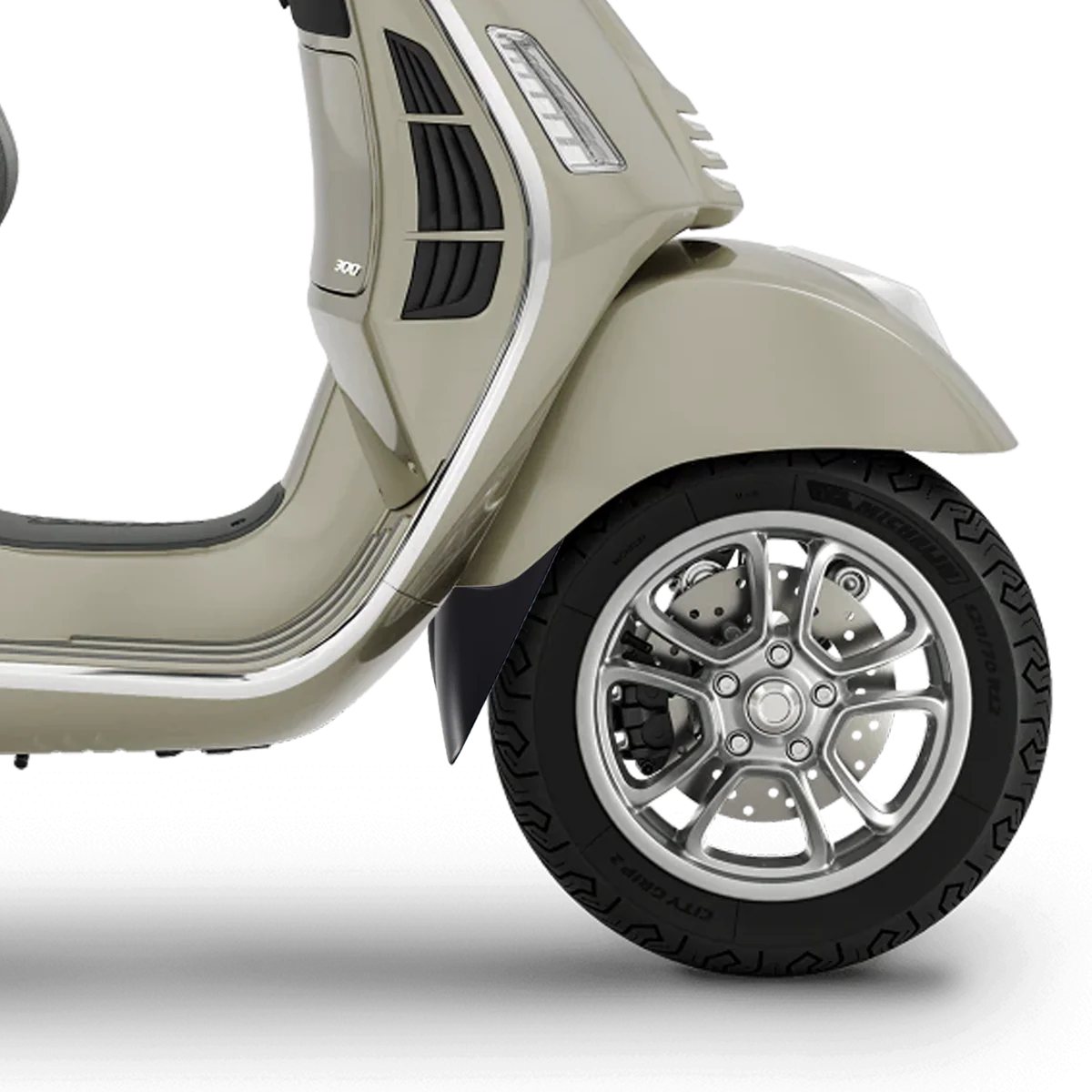


The Vespa GTS 310 is the latest model in the 20-year history of the GTS (excluding the earlier GT range of course), yes, it really is that old!
Personally speaking, I’d say the 310 is the best-looking GTS built to date (especially in SuperSport trim). The 310 is also the largest capacity, most powerful Vespa ever built, but is it also the best? Let’s jump on board and find out.
ScooterLab GTS buyers’ guide
If you’re new to the Vespa GTS, or are looking for specific info on model years, have a read of our fairly comprehensive Vespa GTS buyers guide.

Late to the party
We may be late to the party with this road test but that’s because Piaggio have only recently put the 310 on their 2025 press fleet. Well, better late than never I suppose. In the meantime, lots of our readers have already bought and been riding their 310s all year. Hopefully, they’ll agree with my findings here and in the accompanying videos (feel free to leave your comments at the end).
We also put the 310 up head-to-head with a GTS 300 RST 22 (2022 onwards model) to see if the extra capacity and power make a difference in the real world.
I collected the 200-mile-old scooter from Piaggio and planned to have two weeks with it, but actually ended up keeping it for three weeks and to be honest, I’d have liked to have kept it for longer. A GTS is always handy to have around.

First impressions
You can’t help but be impressed when you see the 310 SuperSport up close. It really pops in the glossy Blu Eclettico paintwork; it’s a traditional-looking, typical Vespa colour. I love it.
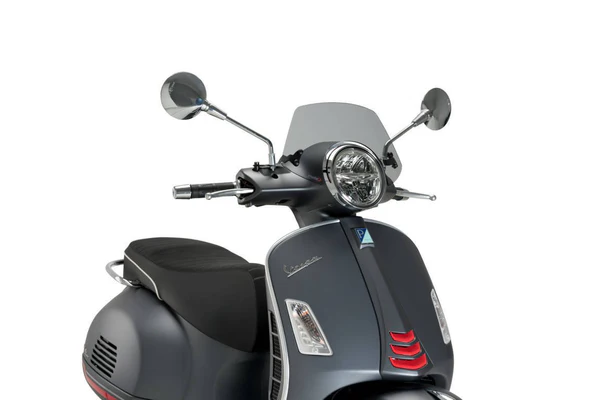
There’s more than just a paint job to appreciate though; this thing is dripping in lots of stylish black goodies. These are the kind of items owners have been buying as aftermarket parts for their GTSs for years. The single biggest improvement is the blacked-out switchgear, which replaces the cheap and nasty chrome (as fitted to the standard GTS 310).

Black parts matter
Below is a list of things you won’t need to swap to black (if you’re that way inclined). The only thing Piaggio neglected to black out are the brake levers.
- Switch gear
- Headlight, taillight and speedo surrounds
- Legshield trim
- Mirrors
- Pillion footpegs
- Rear grab rail
- Suspension
- Mudguard crest
- Horncover (carbon effect)
- Exhaust heat shield
That’s already a hefty saving for many owners, although being able to buy a factory-built ‘Stealth’ model takes away the individuality of customising your scooter.

The RST22 redefined the Vespa GTS
A lot to live up to
If you’re familiar with what we do at ScooterLab, you’ll probably have seen the road test we did on the last incarnation of the Vespa GTS 300. Launched in late 2022, the RST 22 (Restyled 2022), as it became known, was the biggest improvement ever made to the GTS range.
It improved in every aspect, from styling to the engine, fuel economy, and performance. I went on record as saying that it was the best Vespa GTS ever built, but can the 310 now take that honour?

The Euro 5+ 310 engine
Sadly, Piaggio didn’t have a press launch for the GTS 310, and I couldn’t make the MP3 310 launch, so Andy from ScooterNova Magazine covered that one for us. That meant I’d not ridden anything with this latest version of the HPE – High Performance Engine.
Piaggio could have just taken the existing 278cc engine and tweaked it to comply with the latest Euro 5+ regs but instead they gave it quite a comprehensive makeover.
Here are some technical details about the 310 engine…

Power gains
The 310 HPE is the latest Euro 5+ engine and replaces the old 278cc HPE lump. It’s the most powerful engine ever fitted to a Vespa from the factory.
That 309cc capacity and extra power have been created by increasing the stroke; they’ve also fitted a new high-performance multi-jet injector and the cylinder has been offset.
Reduce vibrations and noise
This latest engine reduces revs at all vehicle speeds, it’s quieter thanks to a new crankcase design that is said to reduce belt noise, there’s a decoupled starter gear, and an improved starter motor, which helps the engine start quicker. The gearing has also been redesigned and optimised, and it has higher flywheel inertia.
Cam timing system
There’s a new intake line and SOHC roller cam timing system with optimised valve lift to achieve the required engine tuning, increasing torque at low speeds.
CVT system
The transmission has been calibrated and has a new, more efficient and quieter drive belt, there’s a new stiffer clutch drum and a new CVT cover with soundproofing material. Changes to the transmission help to lower fuel consumption, reduce engine noise and increase low-speed performance.
The new 309cc engine increases power by 5% and torque by 11.5%. Power is also up to 24.7bhp (measured at the crankshaft). Top speed is claimed to be increased to a maximum of 78.9 mph.
I suppose that after we’ve absorbed all that tech jargon, we’d better get out there and see how it is in real life…

First ride
I’ve owned numerous models and ridden many thousands of miles on various GTSs since 2005, and I know them inside and out. Even so, when ridden on its own, I can’t say I thought the new engine gave much of a noticeable difference from the off. Ok, it does accelerate well, but I’d just jumped off our long-term Yamaha XMAX 300, which makes the same power but would leave a 310 for dust.
Not many GTS buyers, or potential buyers, are looking for a maxi scooter, though. The GTS is bought for more than just its performance. Vespa buyers buy into a brand and lifestyle.

New or existing owner?
If you’re coming to the 310 as a previous or current GTS owner, then you’ll know what to expect from it. This model is more refined, looks better, has sharper detailing, a nicer-looking dashboard, and a bit more oomph. You may or may not notice that it accelerates a bit quicker (something we put to the test later on in this feature).
If you’re reading this with a view to buying your first ever Vespa GTS, then you’ll be buying the best model so far (all bar one thing which we’ll delve into further down the page).
Keyless ignition
As with most modern scooters/bikes and cars, the GTS 310 also has keyless ignition so you can leave the fob in your pocket and push and twist the dial to turn it on. Then press the actual starter button. In reality, I’m not sure keyless is much of an advantage, but it seems to be all the rage, and the Vespa system is quite easy to get along with. Having said that, though, I expect the dash to come on instantly, so I often ended up turning the scooter off again before it had even had time to do its start-up procedure and show the welcome message.

Motorway comfort
Having already connected my mobile to the scooter via the handlebar-mounted joystick and the latest Vespa app I was free to ride the scooter 70 miles up the M1 to get it home (not that you need to connect it to ride of course). One thing I noticed instantly was that having no fly screen fitted makes a big difference to rider comfort at motorway speeds. It’s noisier without, but also helps to keep you cooler (it was scorching).
In winter, a screen can make a significant difference to your warmth, though. I’ve always fitted one to my GTSs; they also increase your speed, or at least get you to the top end quicker.
Rev limiter
Before we go any further, let’s get this bad boy out in the open. In our RST 22 road test I thrashed the nuts off it for a few weeks and only ever hit the rev limiter once. That was a significant improvement over the original HPE engine (from 2018 to 2022). The rev limiter on that was harsh, and many owners fitted a speed wheel to help stop it cutting in and to recalibrate their over-optimistic speedo.
The rev limiter is back on the 310.
VIDEO 1: Road test
It returns…
I agree, there is a need to stop overenthusiastic owners from over-revving their engines. However, that restriction could be implemented in a way that doesn’t upset the high-speed riding experience.
When the speedo on the 310 gets to just over 140kmh (86mph), you’ll hit that bad boy with a vengeance. I said the early HPE was harsh; this one hits you like a science teacher with a well-aimed board rubber. The first time it cuts in, you instinctively think your new scooter has broken. It hasn’t.
You can hear an unsuspecting Andy Gillard hitting it for the first time in our head-to-head video further down this feature.
Top speed
Playing Devil’s Advocate, in the UK, we’re restricted to 70mph on the motorway, and the GTS will top out at around 83mph on GPS (despite Piaggio’s official figure being closer to 78 and the speedo reading 86mph). Even so, many GTS riders want to ride at full chat to rallies and back. Often a lot of that is done on the motorway, and continually banging off the rev limiter isn’t very nice.
Human nature wants to hold something at full throttle. I’d rather just be able to ride with the throttle pinned and never hit a limiter.
Don’t be put off
Although that was a big paragraph, don’t let that one thing put you off from what is still a great scooter. The GTS 310 makes up for it in other areas, and overall, it’s the best-looking, most nicely finished GTS so far.
VIDEO 2: GTS 300 Versus 310
Good all rounder
The 310 does everything the previous model did and does it very well. The Brembo/Bybre master cylinders and four-pot brake callipers are excellent; braking is firm and powerful. Of course, there is also ABS as standard and ASR traction control. The ASR can be turned off at the touch of a button and I did keep it switched off quite a bit whilst I had the scooter (personal choice).
The suspension is also pretty good on the latest model, and the black spring on the front might mean an owner doesn’t change their front shock just for aesthetic value. The standard suspension is more than sufficient for most riders, and, as always, the rear can be adjusted.

GTS 310 versus RST 22
We borrowed a 300 RST 22 from MSC to allow us to ride them back-to-back. I enlisted the help of Andy from ScooterNova for this part of the test and you can read more about it in issue 51 of ScooterNova (due out August 21st)
Both scooters looked and felt very similar, as you’d expect (although the 300 was the base model rather than SuperSport). Blindfolded, you could jump on either and wouldn’t be able to tell which model you were on, although you’d fall off pretty quickly.
We spent a day riding around Derbyshire and did a few comparison tests whilst we were at it.

Acceleration
On a fast road, the 310 will slowly increase the distance between itself and the 300, it is marginally more powerful. You can ride the 300 in the 310’s slipstream and keep with it, but it doesn’t have quite enough oomph to beat it on the road.
We also tried some 50mph roll-ons, side-by-side at 50mph and whack the throttle open. The 310 won that competition. Then we did a standing start, the 310 was a clear winner there as well.
Don’t expect miracles from this slightly higher-powered engine, but if you’re riding to a rally with a 300, you will notice a difference. Any improvement in torque and bhp is a good thing to have.

No magazine editors were blown up during the making of this feature…
Fuel
When we got the two scooters together, we brimmed the tanks, then thrashed them around for 60 miles and filled them up again. The 310 used 30 pence less fuel than the 300. Not a huge difference but you’d probably save 50-60p per tank. A saving worth having.
On a very hot day with the 310, I stopped to fill up on the M1 with an empty tank, and the petrol cap popped off under pressure as I undid it—something to be wary of.
Range function
It takes a while to get used to the range of a new scooter but the 310 has a range function on the dash (alongside a conventional fuel gauge). In theory, it should be quite useful, but I found that it would show around 180 miles with a full tank, but jump on a motorway, and I was draining a tank in around 95 miles. When the range dropped to 52 miles, it would go blank, leaving you to guess how far you could ride. Not ideal when you’re on the motorway with miles till the next services.

Overall impressions
I really do like the 310 and think it looks the best of them all in SuperSport trim. Of course, with a Vespa, you’re paying a premium price; it’s a lifestyle brand, so people buy into that (myself included). If you overlook the negative aspect (rev limiter) and concentrate on everything else, this is an outstanding machine. It looks the part, rides, stops and handles beautifully, and there are plenty of extra parts and accessories to help you customise your machine, or make it more practical for how you use it. The first thing you’ll want to add is a decent rear rack; they used to come standard on a GTS, but no longer do but they are very useful.


Would I buy one?
Yes, without a doubt. If I were in the market for a new Vespa, I’d be straight on to a SuperSport 310. although there are four variants to choose from (not counting the sexy GTV). They’re shown above from left to right.
- GTS 310 Euro 5+ £6515
- GTS 310 Super Euro 5+ £6615
- GTS 310 SuperSport Euro 5+ £6565
- GTS 310 Supertech Euro 5+ £6965
The SuperTech sits at the top of the Vespa GTS range and benefits from having sat nav built into the dashboard. That model will cost you just £150 more than a SuperSport, which isn’t bad, really (a SuperTech was a whopping £800 more than a SuperSport when they first arrived in 2020). I prefer the gloss colours of the SuperSport, though, and usually use Google Maps running through my iPhone and Sena intercom for directions, so I don’t really need a sat nav in most situations. For those reasons, I’d go for a blue SuperSport (even though it’s this year’s most popular colour choice).
Value for money
One thing I will say, though, is that if you’re currently riding an RST22 and are still happy with it, I’d keep it for the time being. The 310 doesn’t give enough extra to warrant trading in a fairly new scooter for one. Get a bit more value out of your current scooter and consider swapping it in a year or so.
Words, photos and video: Iggy
Additional riding shots, Linsey and Ann.
Thanks to MSC, Scooternova Magazine for help with this feature.

Vespa GTS E5+ SuperSport 310 specs
- Engine: Single-cylinder, 4-stroke, 4 valves, electronic injection, HPE
- Engine capacity: 310 cc
- Bore x stroke: 75 mm x 70.1 mm
- Max Power (at the crankshaft): 18.4 kW (25 HP) at 6,2500 rpm
- Max Torque: 28.9 Nm at 5,250 rpm
- Consumption: 31.2 km/l
- CO2 emissions compliance: 74 g/km, Euro 5+
- Front suspension: Single-sided swingarm with coil spring and hydraulic control
- Rear suspension: Double hydraulic shock absorber with four-position spring pre-load adjustment
- Front brake: Hydraulic operated 220 mm stainless steel disc, 220 mm stainless steel disc
- ABS system: As standard
- Front tyre:Tubeless 120/70 – 12”
- Rear tyre Tubeless 130/70 – 12″
- Length/Width/Wheelbase: 1980mm/765mm /1,380 mm
- Seat Height: 790 mm
- Fuel tank capacity: 8.5 litres Euro 5+
- Contact: Vespa


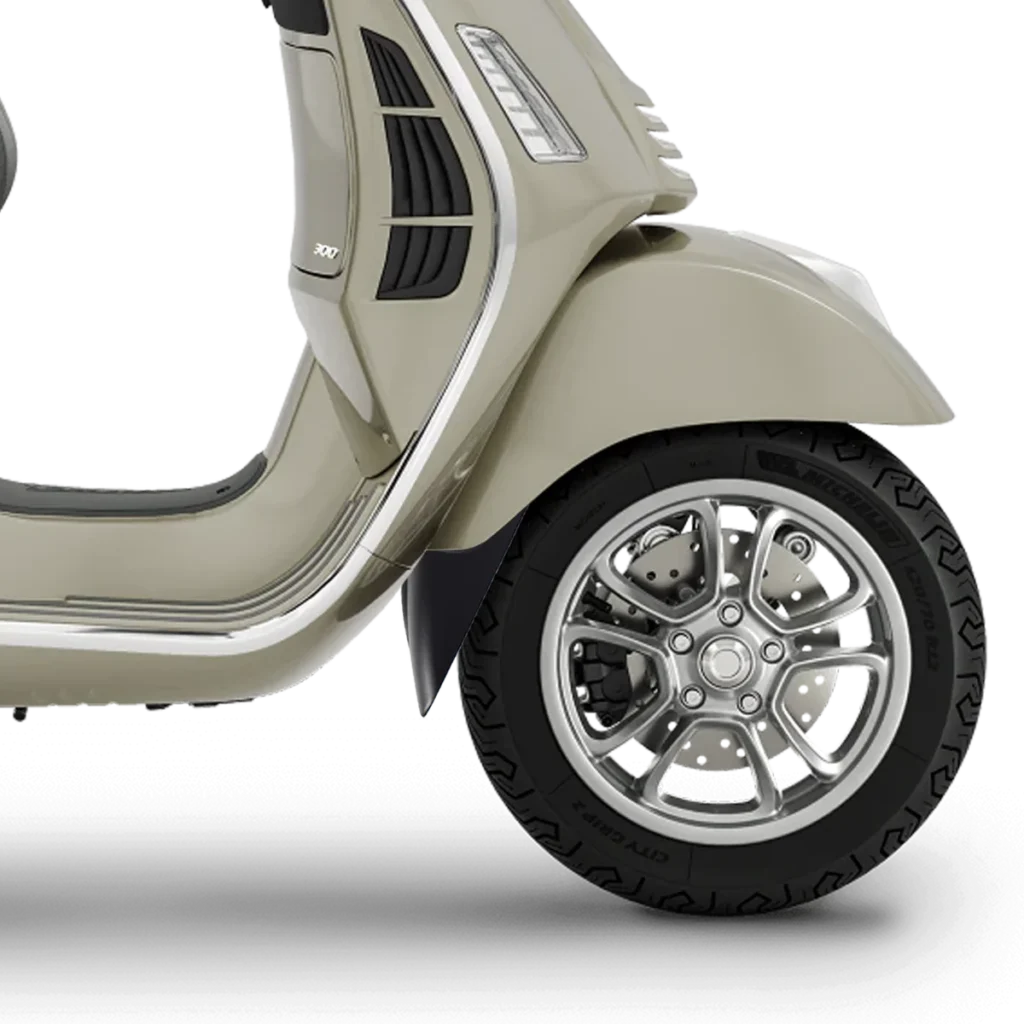


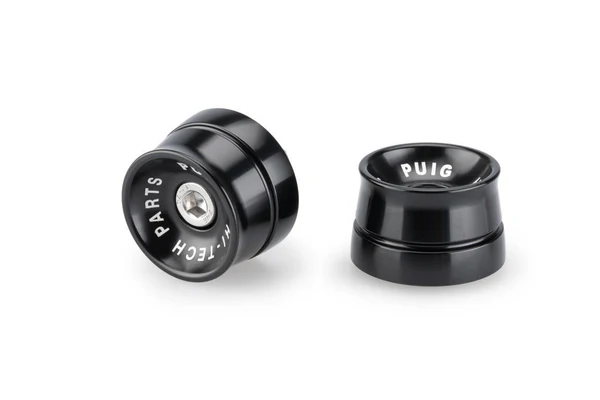
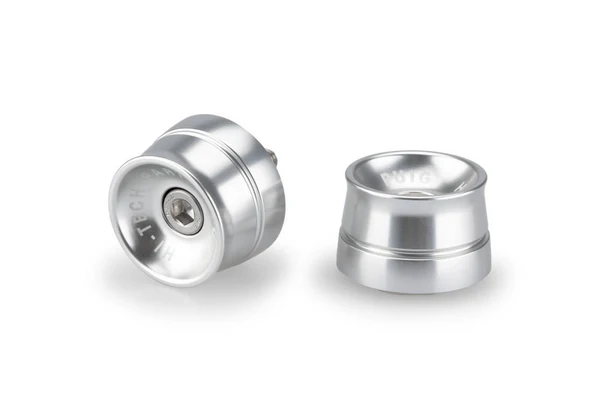
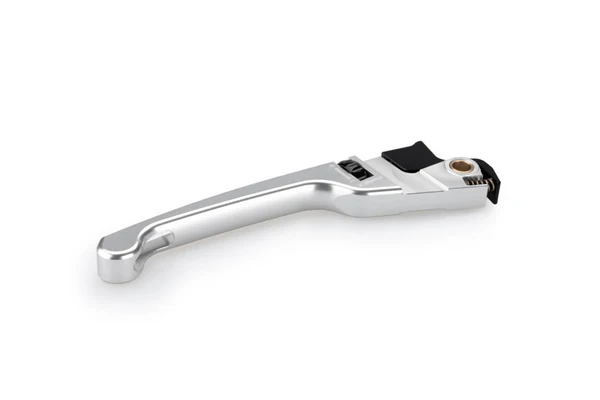
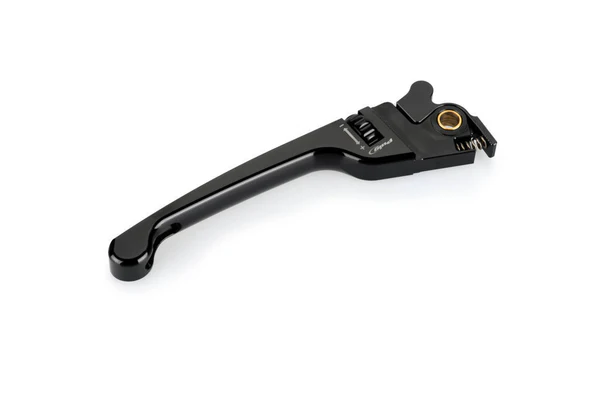
SLUK Shop
We’ve been making our market-leading Vespa GTS Sluk Guards since 2016 but we also make various other GTS products, including Luggage Supports and GTS styling goodies. We also supply products from other manufacturers, so think of the SLUK Shop when you’re looking to buy parts for your scooter. It helps us to keep doing what we do, so you can read it for free.